
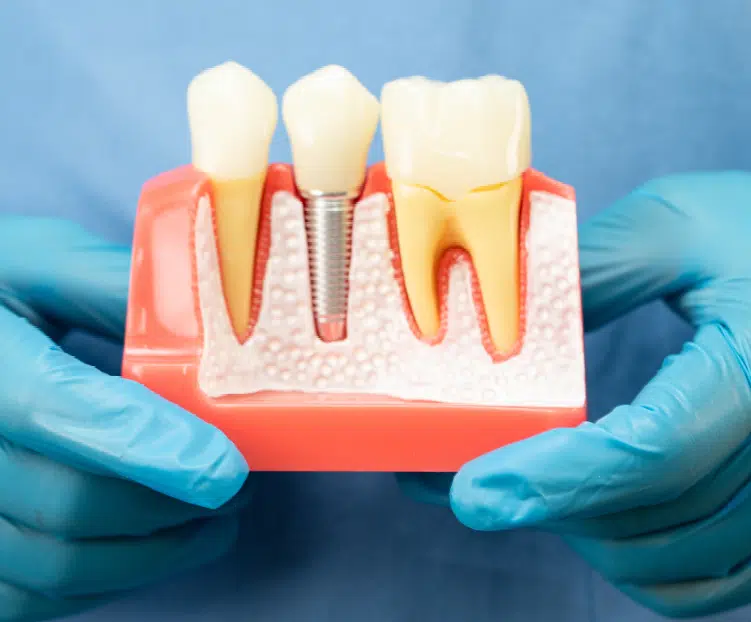
Dental implants are one of the most durable and natural-looking ways to replace missing teeth. With proper care, they can last for decades—or even a lifetime. While the implant itself can’t develop cavities, the surrounding gums and bone still need to stay healthy to support it.
The good news is that caring for dental implants isn’t complicated. A few healthy habits can go a long way toward protecting your investment and keeping your smile looking and feeling its best.
Do Practice Excellent Oral Hygiene
Just because dental implants can’t get cavities doesn’t mean they don’t need daily care. Plaque and bacteria can still build up around the implant, increasing your risk of gum inflammation and peri-implant disease, a condition that can threaten the bone supporting your implant.
Brush your teeth twice a day with a soft-bristled toothbrush, floss daily, and clean carefully around the implant. Your dentist may also recommend special floss, interdental brushes, or a water flosser to help keep hard-to-reach areas clean.
Healthy gums are the foundation of long-lasting dental implants.
Do Visit Your Dentist Regularly
Routine dental checkups and professional cleanings remain essential after receiving dental implants. During these visits, your dentist can examine the implant, monitor your gum health, and identify any concerns before they become serious.
Professional cleanings also remove hardened plaque that can’t be eliminated with brushing alone, helping your implant remain stable and healthy for years to come.
Do Eat a Balanced Diet
A nutritious diet supports healthy gums and strong bone, both of which play an important role in the long-term success of dental implants.
Choose foods rich in calcium, vitamin D, lean protein, fruits, and vegetables to support healing and maintain overall oral health. Drinking plenty of water throughout the day also helps wash away food particles and bacteria.
Don’t Use Your Teeth as Tools
Your dental implants are designed for chewing food—not opening packages, biting fingernails, or cracking ice. Using your teeth as tools places unnecessary stress on both natural teeth and implants, increasing the risk of damage.
Although implant restorations are made from durable materials, they aren’t indestructible. Treating them with care helps preserve their appearance and function.
Don’t Smoke or Use Tobacco
Smoking is one of the biggest risk factors for implant complications. Tobacco restricts blood flow to the gums, slows healing, and increases the likelihood of infection and implant failure.
If you’re considering quitting, talk with your healthcare provider about available resources. Protecting your oral health is just one of the many benefits of living tobacco-free.
Don’t Ignore Changes Around Your Implant
Dental implants should feel comfortable and secure. If you notice swelling, bleeding gums, persistent bad breath, pain, or that your implant feels loose, don’t wait to seek care.
These symptoms may indicate inflammation or another issue that is much easier to treat when caught early. Prompt attention can help preserve the health of both the implant and the surrounding tissues.
A Little Care Goes a Long Way
Dental implants are designed to provide years of reliable function, but their longevity depends largely on how well you care for them. By practicing good oral hygiene, keeping up with regular dental visits, and avoiding habits that put unnecessary stress on your smile, you can enjoy the benefits of your implants for many years to come.
A few simple daily habits can help protect your investment and keep your smile healthy, comfortable, and confident.
About the Practice
Timber Dental is dedicated to providing comprehensive, patient-centered dental care using advanced technology and personalized treatment plans. The experienced team offers dental implants to replace missing teeth with durable, natural-looking restorations that restore both function and confidence. They also provide ongoing preventive care to help patients protect their smiles for years to come.
Call us at (503) 831-3006 or schedule your appointment online.