
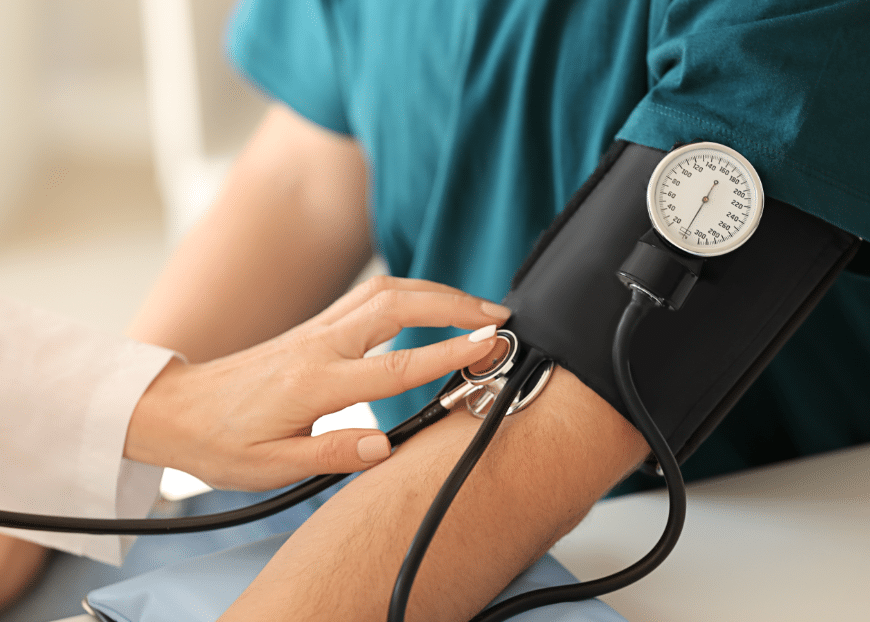
When you visit the dentist for a routine checkup, filling, or other treatment, you probably expect questions about your teeth and gums. But if your appointment begins with a blood pressure check, you might wonder what that has to do with your oral health. As it turns out, quite a bit! Checking your blood pressure helps your dental team protect your overall health and make sure your treatment is as safe as possible.
What Does Blood Pressure Have to Do With Dental Care?
Blood pressure measures the force of blood pushing against the walls of your arteries. When it’s consistently too high, it can increase your risk of serious health problems, including heart disease, stroke, and kidney disease. The tricky part? High blood pressure often has no noticeable symptoms, so you might not realize there’s a problem.
Your dentist can help identify a potential concern by checking your blood pressure before treatment. Although a dental office doesn’t replace your primary care provider, routine measurements can reveal elevated readings that deserve further attention.
Your oral health and overall health are closely connected, too. Certain medical conditions and medications can affect your dental treatment, making it important for your dentist to understand your health history before getting started.
Is It Safe to Have Dental Work With High Blood Pressure?
In many cases, people with high blood pressure can safely receive routine dental care. However, knowing your blood pressure helps your dentist evaluate potential risks and decide whether any precautions are necessary.
For example, some dental procedures involve local anesthetics containing epinephrine, a medication that helps control bleeding and prolongs numbness. Epinephrine can temporarily increase heart rate and blood pressure, so your dentist may need to consider the type and amount of anesthetic used if your blood pressure is elevated.
Very high blood pressure may also increase the risks associated with certain procedures. Depending on your reading, medical history, and planned treatment, your dentist might modify the appointment, postpone nonurgent care, or recommend medical evaluation before proceeding.
These decisions are made with your safety in mind, not to keep you from getting the care you need.
Can Dental Anxiety Affect My Blood Pressure?
Absolutely! If sitting in the dental chair makes your heart race, you’re not alone. Dental anxiety and stress can temporarily raise your blood pressure, even if your usual readings are healthy.
This is sometimes called white coat hypertension, which occurs when blood pressure rises in a medical setting. If your reading is higher than expected, your dental team may allow you to relax for a few minutes before checking it again.
Let your dentist know if you feel nervous about treatment. Discussing your concerns, asking questions, and agreeing on a plan for managing discomfort can help you feel more comfortable throughout your visit.
How Can I Prepare for a Blood Pressure Check?
A few simple steps can help your dental team get a more accurate reading:
- Avoid caffeine, smoking, and exercise for about 30 minutes beforehand when possible.
- Arrive a little early so you have time to settle in.
- Sit quietly with your feet flat on the floor and your arm supported during the measurement.
- Take prescribed medications as directed, unless your healthcare provider tells you otherwise.
- Tell your dentist about your medical conditions, medications, and any recent blood pressure concerns.
If your reading is unusually high, don’t panic. One measurement doesn’t necessarily mean you have chronic high blood pressure, but it may be worth following up with your healthcare provider.
A quick blood pressure check is a simple step that helps your dental team care for more than just your smile.
About the Practice
Timber Dental provides general and family dentistry with a focus on helping patients maintain healthy smiles at every stage of life. Through preventive care and personalized dental services, the team works to make dental visits comfortable while considering each patient’s individual health needs.
Call us at (503) 809-2170 or schedule your appointment online